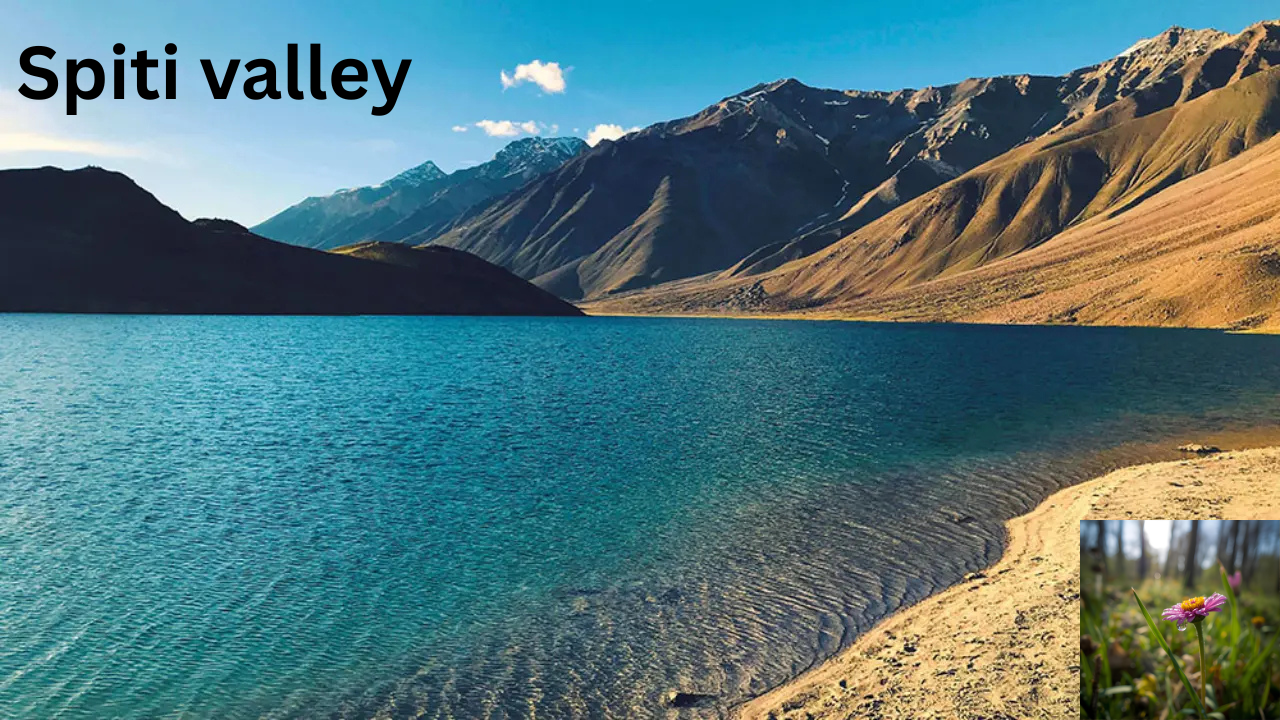
The Ultimate Spiti Valley Trip Guide: A Beginner’s Journey to the Middle Land
The Ultimate Spiti Valley Trip Guide: A Beginner’s Journey to the Middle Land
Introduction to Spiti Valley
Hey friends, seekers of solitude!
If you have reached here, then perhaps the photos and vibes of Spiti Valley have already attracted you. Wow blue sky, turquoise rivers, and old monasteries clinging to the mountains – seeing all this creates a strange pull in the heart, right? It seems that this is not just a destination, but a calling.
I am Prashant, a digital creator and passionate traveler. I have explored many corners of the Himalayas, but the trip to Spiti was the most transformative for me. This trip is not easy – you have to pass both physical and mental tests. But the reward? Raw beauty, peace, and a calmness you can’t find anywhere else.
This guide is specially for beginners. I will share my honest experiences, practical tips, and exact steps so that you can plan your dream Spiti adventure. Come on, let’s plan together!
Why Spiti Valley Stands Out
Spiti means “The Middle Land.” It is located in the Trans-Himalayan region of Himachal Pradesh, between India and Tibet. Completely different from lush and touristy valleys like Manali or Kullu, Spiti is a cold desert. The air here is thin, the environment is tough, and the villages are very small.
Unique Features of Spiti Valley
-
Silence: Only the sound of the wind can be heard. A perfect disconnect from digital noise.
-
Ancient Culture: A living museum of Tibetan Buddhism. Local people are warm and resilient, and deeply connected to their monasteries and traditions.
-
Scale: The mountains here are massive and barren. They make you feel small – but that feeling is therapeutic.
This trip is not just sightseeing, it is a personal challenge and a soulful connection.
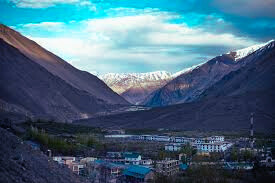
Phase 1: Essential Preparation for Spiti
Spiti is a high-altitude desert, so going there without preparation is risky.
Altitude Sickness (AMS) Tips
Kaza (main town) is at 3,800 metres.
-
Go Slow: Take the Shimla–Kinnaur–Kaza route, so that the body gradually acclimatises.
-
Hydration: Drink 3-4 liters of water daily. Avoid alcohol, cigarettes and caffeine in the initial days.
-
Medication: You can take medicines like Diamox after consulting a doctor. But the most important thing is to chill on the first day, do not rush for sightseeing.
Packing for Spiti’s Weather
Spiti’s weather is unpredictable. Here’s what to pack:
-
Thermals (for wearing inside)
-
Fleece jacket, down jacket, waterproof shell
-
Woolen cap, gloves, socks
-
Sunscreen (SPF 50+), UV sunglasses, lip balm with SPF
Phase 2: Choosing Your Route
There are two main road trip circuits for Spiti:
Shimla–Kinnaur–Kaza Circuit
-
Duration: 10–12 days
-
Pros: Better acclimatization, mostly open in every season, chance to see the lush Kinnaur valley first.
-
Cons: It is long.
Manali–Kaza Circuit
-
Duration: 7–8 days
-
Pros: Shorter and adventurous (crossing Kunzum Pass is epic).
-
Cons: AMS risk is more, only open in May–Oct.
Pro Tip: Enter from Shimla and exit from Manali. You will get the best of both worlds.
Phase 3: Must-Visit Places in Spiti
Here are the highlights you shouldn’t miss:
-
Kaza: Spiti’s hub (petrol pump, ATMs, stay options).
-
Key Monastery: The most famous and big monastery. Attend morning prayers, you will get next-level peaceful feel.
-
Komic, Hikkim, Langza: High villages.
-
Komic: Asia’s highest motorable village.
-
Hikkim: World’s highest post office. Don’t forget to send postcards!
-
Langza: Famous for Giant Buddha statue and fossils.
-
-
Chandratal Lake: Crescent-shaped lake, stargazing best in India.
-
Pin Valley National Park: For wildlife and greenery. Stay in Mud village and get peaceful vibes.
Phase 4: Budget and Accommodation
Accommodation Options
-
Homestays: The most authentic experience. Locals’ home, home food (dal, chawal, sabzi), and stories. Cost: ₹800–₹1500/night (incl. food).
-
Guesthouses: Kaza/Tabo with basic facilities.
Estimated Budget for 10 Days (per person)
-
Travel: ₹4,000–₹7,000
-
Stay + Food: ₹15,000–₹25,000
-
Permits/Entry: ₹1,000–₹2,000
-
Misc: ₹5,000
-
Total: ₹25,000–₹35,000
Phase 5: Responsible Tourism in Spiti
To preserve Spiti’s beauty and culture:
-
Leave No Trace: Take plastic waste back to the plains.
-
Reusable Bottle: Carry it, homestays refill water.
-
Respect Culture: Dress modestly in monasteries.
-
Support Locals: Buy handicrafts and souvenirs directly from locals.
Conclusion: Your Spiti Adventure Awaits
Spiti Valley is not just a trip, it is a life-changing journey. It gives you a chance to slow down, appreciate nature, and understand yourself.
Yes, it will be a little tough – you will be a little tired, you will feel amnesia at times – but when you stand below a monastery or see the Milky Way below Chandratal, you will feel that every struggle was worth it.
So plan acclimatization days from now on, research homestays, and make your Spiti dream trip a reality. Safe travels, and do share your story once you return! 🌍✨