pa.upadhyay733@gmail.com

The Ooty Trip of a Lifetime: Your Chilled-Out Getaway Guide

The Ooty Trip of a Lifetime: Your Chilled-Out Getaway Guide

Hey friends, Prashant here! You know that feeling when you just want to escape the city hustle and bustle? Endless traffic jams, concrete jungle, and the same old routine? I had the same feeling a few months ago. I needed a break, fresh scenery, and a touch of nature. And believe me, friends, the trip to Ooty, Tamil Nadu, turned out to be the perfect remedy.

If you’re planning your next escape or wondering why Ooty is called the “Queen of Hill Stations,” you’re in the right place. I’m sharing my entire experience—from breathtaking views to cozy cafes, yummy food, and those little secrets that make an Ooty trip unforgettable.

Why Ooty? More Than Just a Hill Station

I’ve visited many places, but Ooty has a unique charm. It’s not just the cold air or scenic views. You get a different kind of peace here. The air’s fragrance—pine, eucalyptus, and rain mixed together—feels incredibly refreshing. The slow pace of life forces you to relax and breathe.

White Posh Minimalist Watercolor Eucalyptus Wedding Place Card

Perfect Destination for Everyone

  • For Couples: Misty mornings and a romantic boat ride on Ooty Lake are absolutely filmy.

  • For Families: Toy trains and botanical gardens offer something for everyone.

  • For Solo Travellers: Safe, friendly, and worth exploring at your own pace.

  • For Nature Lovers: Nilgiri Hills is a paradise for trekking and wildlife.

How to Reach Ooty: The Journey Is Fun

I traveled from Chennai, and the drive was long but worth it. Winding roads, lush greenery, and the temperature drop as we climbed added to the excitement.

Travel Options

  • By Car: Perfect for road trip lovers. Stop in small towns to enjoy local food and scenery.

  • By Bus: Government and private buses from Bangalore, Coimbatore, and Chennai are budget-friendly and convenient.

  • By Train: The Nilgiri Mountain Railway, a UNESCO World Heritage Site, is a must. The toy train ride from Mettupalayam to Ooty is a lifetime experience.

Prashant’s Pro Tip: Book a right-side window seat in the train for mind-blowing views. Reserve in advance during peak season.

Where to Stay in Ooty: Find Your Cozy Corner

Ooty offers plenty of stay options—resorts, hotels, and homestays. I stayed in a small homestay away from town. It was peaceful, and the hosts were lovely.

Accommodation Types

  • Hotels: Ideal for comfort and balcony views.

  • Resorts: Perfect for luxury with spas, pools, and gardens.

Must-Do Experiences in Ooty: My Favorites

Botanical Garden Walk

My first stop was the Botanical Garden. The huge garden, rare plants, and colorful flowers were worth seeing. The Bonsai collection was absolutely amazing.

Boating on Ooty Lake

It sounds cliché, but it’s worth it. Boating amidst misty air, calm water, and greenery is soothing.

Doddabetta Peak

The highest peak in the Nilgiris. The view from the top was so amazing I was exhausted. A cold wind blew, but it was worth it!

Nilgiri Mountain Railway Ride

A slow train ride through tunnels, bridges, and old-world charm. It’s time to soak up nature.

Tea Plantation Visit

Ooty tea is world-famous. I visited the Tea Factory and Museum, saw the tea-making process, and bought plenty of tea.

Foodie Adventures in Ooty

  • Varkey: Crispy local biscuits, perfect with tea.

  • Homemade Chocolates: Try the flavors from shops everywhere.

  • Carrot Halwa: Made from local carrots, a comfort food for cold nights.

  • South Indian Food: Fresh idli, dosa, and vada at local eateries taste amazing.

Budget: How Much Will Your Ooty Trip Cost?

Everyone asks this. Honestly, the budget depends on you.

  • Stay: Options range from ₹1000 to ₹10,000+.

  • Food: Local food costs around ₹500/day.

  • Activities: Most places have small entry fees; some are free.

My 3-day trip cost around ₹8000 (split with a friend). Booking tickets and stays in advance makes it cheaper.

My Honest Tips for an Ooty Trip

  • Pack Warm Clothes: Evenings and mornings are cold, even in summer.

  • Avoid Peak Season: April-June is crowded. Off-season is more peaceful.

  • Be Weather Ready: Rain can start anytime. Enjoy the tea and rain.

Final Thoughts: A Soulful Ooty Trip

For me, the Ooty trip was a refreshing break. I disconnected from the digital world and reconnected with nature and myself. Friendly locals, slow life, and beautiful scenery make this trip unforgettable.
Your Ultimate Guide to a Trip to Munnar, Kerala 🌿

Your Ultimate Guide to a Trip to Munnar, Kerala 🌿

Hey friends! Have you ever imagined a place where there are misty mountains, green tea gardens all around and a cool breeze touches you all the time? If yes, then Munnar, Kerala is that place – and believe me, it is even more beautiful than that.

When I planned my first trip to Munnar, I was a bit confused. I had seen the photos first, but how to roam there, what to see – nothing was clear. But when I spent a few days in Munnar, then I realized that this place has a different vibe. That is why I have created this friendly guide – very simple, no-extra-nonsense, only useful tips and personal experience.

Why is Munnar Special?

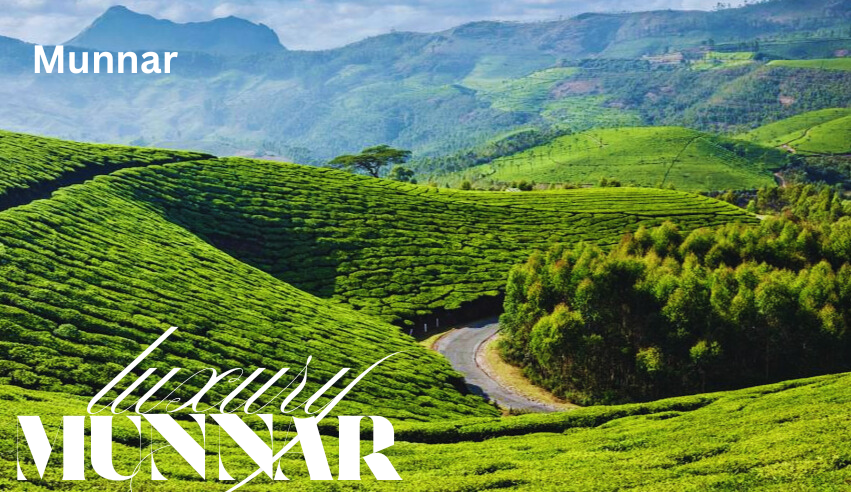
Munnar is not just a hill station, it is a feeling. The best option to get away from the noise of the city. As you start driving on the curvy roads of Munnar, the air starts feeling cool and fresh. And when endless tea plantations come in front of the eyes – the heart gets lost there.

This place is perfect for everyone – nature lover, adventure junkie, honeymoon couple or even family trip.

When to Visit and What to Pack

Best Time to Visit

  • September to March: The weather is cool and best for sightseeing. Trekking and outdoor fun is easy.
  • June to August (Monsoon Lovers): The entire landscape turns completely green and the mist has a magical look. Plus, you can get discounts in hotels in the off-season.

Packing Tips

  • Carry layered clothes. It can be hot during the day but it is cold at night and in the morning.
  • Comfortable shoes are a must – helpful for tea estates and trekking.
  • Don’t forget umbrella/raincoat, power bank and a warm jacket.

Must-Visit Spots in Munnar (Prashant-Approved List 😎)

  • Tea Gardens: Everywhere! You will get the real Munnar feel here. Walk, take photos and do visit Tata Tea Museum once.
  • Echo Point: Shout your name here and listen to the echo – a fun experience! The view of Kundala Lake is also awesome.
  • Eravikulam National Park: For wildlife lovers. You can see Nilgiri Tahr (rare mountain goat) here. Buy tickets online, otherwise there is a long line.
  • Matupetty Dam: Enjoy boating and enjoy a peaceful evening.
  • Top Station: The highest point of Munnar. You can get a view till Tamil Nadu on a clear day. The feeling of standing above the clouds is unique.

What to Eat in Munnar

  • Puttu & Kadala Curry: Typical Kerala breakfast, simple but tasty.
  • Appam & Stew: Soft pancake + coconut gravy, ekdum comfort food.
  • Kerala Parotta with Beef Fry: Heaven for Non-veg lovers!
  • Local Spices & Chocolates: Cardamom, cinnamon and homemade chocolates are a must.

How to Reach Munnar

  • By Air: Nearest Cochin Airport (3-4 hours road trip).
  • By Train: Aluva & Ernakulam stations are nearest, taxi/bus is easily available from there.
  • Local Travel: Hire an auto-rickshaw or taxi – local drivers show the best spots.

Final Thoughts

Look, planning a new trip can be a bit tough. But Munnar is one such place that will make you happy every moment. Scenic beauty, peaceful vibes and hospitality of local people – all together give an unforgettable experience.

So just leave the tension, pack your bags and get ready to get lost in the magic world of Munnar. ✨

The Ultimate Spiti Valley Trip Guide: A Beginner’s Journey to the Middle Land

The Ultimate Spiti Valley Trip Guide: A Beginner’s Journey to the Middle Land

Introduction to Spiti Valley

Hey friends, seekers of solitude!

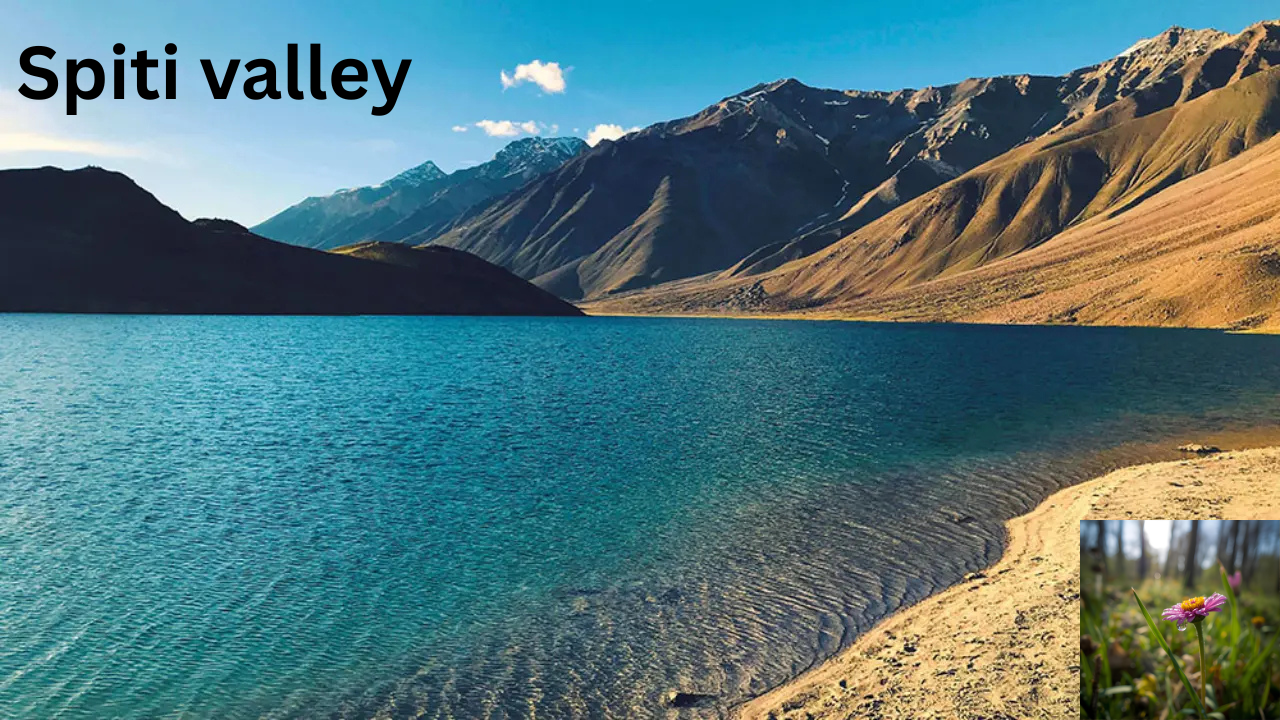
If you have reached here, then perhaps the photos and vibes of Spiti Valley have already attracted you. Wow blue sky, turquoise rivers, and old monasteries clinging to the mountains – seeing all this creates a strange pull in the heart, right? It seems that this is not just a destination, but a calling.

I am Prashant, a digital creator and passionate traveler. I have explored many corners of the Himalayas, but the trip to Spiti was the most transformative for me. This trip is not easy – you have to pass both physical and mental tests. But the reward? Raw beauty, peace, and a calmness you can’t find anywhere else.

This guide is specially for beginners. I will share my honest experiences, practical tips, and exact steps so that you can plan your dream Spiti adventure. Come on, let’s plan together!

Why Spiti Valley Stands Out

Spiti means “The Middle Land.” It is located in the Trans-Himalayan region of Himachal Pradesh, between India and Tibet. Completely different from lush and touristy valleys like Manali or Kullu, Spiti is a cold desert. The air here is thin, the environment is tough, and the villages are very small.

Unique Features of Spiti Valley

  • Silence: Only the sound of the wind can be heard. A perfect disconnect from digital noise.

  • Ancient Culture: A living museum of Tibetan Buddhism. Local people are warm and resilient, and deeply connected to their monasteries and traditions.

  • Scale: The mountains here are massive and barren. They make you feel small – but that feeling is therapeutic.

This trip is not just sightseeing, it is a personal challenge and a soulful connection.

Phase 1: Essential Preparation for Spiti

Spiti is a high-altitude desert, so going there without preparation is risky.

Altitude Sickness (AMS) Tips

Kaza (main town) is at 3,800 metres.

  • Go Slow: Take the Shimla–Kinnaur–Kaza route, so that the body gradually acclimatises.

  • Hydration: Drink 3-4 liters of water daily. Avoid alcohol, cigarettes and caffeine in the initial days.

  • Medication: You can take medicines like Diamox after consulting a doctor. But the most important thing is to chill on the first day, do not rush for sightseeing.

Packing for Spiti’s Weather

Spiti’s weather is unpredictable. Here’s what to pack:

  • Thermals (for wearing inside)

  • Fleece jacket, down jacket, waterproof shell

  • Woolen cap, gloves, socks

  • Sunscreen (SPF 50+), UV sunglasses, lip balm with SPF

Phase 2: Choosing Your Route

There are two main road trip circuits for Spiti:

Shimla–Kinnaur–Kaza Circuit

  • Duration: 10–12 days

  • Pros: Better acclimatization, mostly open in every season, chance to see the lush Kinnaur valley first.

  • Cons: It is long.

Manali–Kaza Circuit

  • Duration: 7–8 days

  • Pros: Shorter and adventurous (crossing Kunzum Pass is epic).

  • Cons: AMS risk is more, only open in May–Oct.

Pro Tip: Enter from Shimla and exit from Manali. You will get the best of both worlds.

Phase 3: Must-Visit Places in Spiti

Here are the highlights you shouldn’t miss:

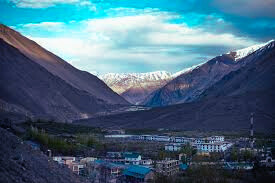
  • Kaza: Spiti’s hub (petrol pump, ATMs, stay options).

  • Key Monastery: The most famous and big monastery. Attend morning prayers, you will get next-level peaceful feel.

  • Komic, Hikkim, Langza: High villages.

    • Komic: Asia’s highest motorable village.

    • Hikkim: World’s highest post office. Don’t forget to send postcards!

    • Langza: Famous for Giant Buddha statue and fossils.

  • Chandratal Lake: Crescent-shaped lake, stargazing best in India.

  • Pin Valley National Park: For wildlife and greenery. Stay in Mud village and get peaceful vibes.

Phase 4: Budget and Accommodation

Accommodation Options

  • Homestays: The most authentic experience. Locals’ home, home food (dal, chawal, sabzi), and stories. Cost: ₹800–₹1500/night (incl. food).

  • Guesthouses: Kaza/Tabo with basic facilities.

Estimated Budget for 10 Days (per person)

  • Travel: ₹4,000–₹7,000

  • Stay + Food: ₹15,000–₹25,000

  • Permits/Entry: ₹1,000–₹2,000

  • Misc: ₹5,000

  • Total: ₹25,000–₹35,000

Phase 5: Responsible Tourism in Spiti

To preserve Spiti’s beauty and culture:

  • Leave No Trace: Take plastic waste back to the plains.

  • Reusable Bottle: Carry it, homestays refill water.

  • Respect Culture: Dress modestly in monasteries.

  • Support Locals: Buy handicrafts and souvenirs directly from locals.

Conclusion: Your Spiti Adventure Awaits

Spiti Valley is not just a trip, it is a life-changing journey. It gives you a chance to slow down, appreciate nature, and understand yourself.

Yes, it will be a little tough – you will be a little tired, you will feel amnesia at times – but when you stand below a monastery or see the Milky Way below Chandratal, you will feel that every struggle was worth it.

So plan acclimatization days from now on, research homestays, and make your Spiti dream trip a reality. Safe travels, and do share your story once you return! 🌍✨

My Unforgettable Journey to Tungnath Temple: A Trek Through Heaven

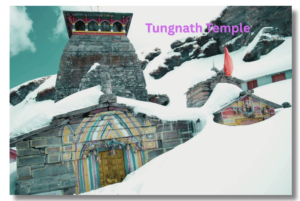
Hey friends! I am Prashant Upadhyay, and if you too like me want to escape the hustle and bustle of the city and lose yourself in the peace of nature, then this story is for you.

My trip to Tungnath Temple was such a journey that not only fulfilled a dream, but gave more than that.

This was not just a temple visit, it was such an experience that settles in the heart – like talking to God himself, and in front of you are breathtaking views of the Himalayas.

Imagine, cold air filling your lungs, the mild fragrance of deodar trees, and the giant peaks of the Himalayas as if guarding you.

That is the feeling of Tungnath.

But before wearing trekking shoes, I share the entire journey with you – from preparation to the magical moments of reaching the top.

Why is Tungnath Special?

You might be thinking, “Prashant, there are so many places in the Himalayas, why only Tungnath?” Then listen:

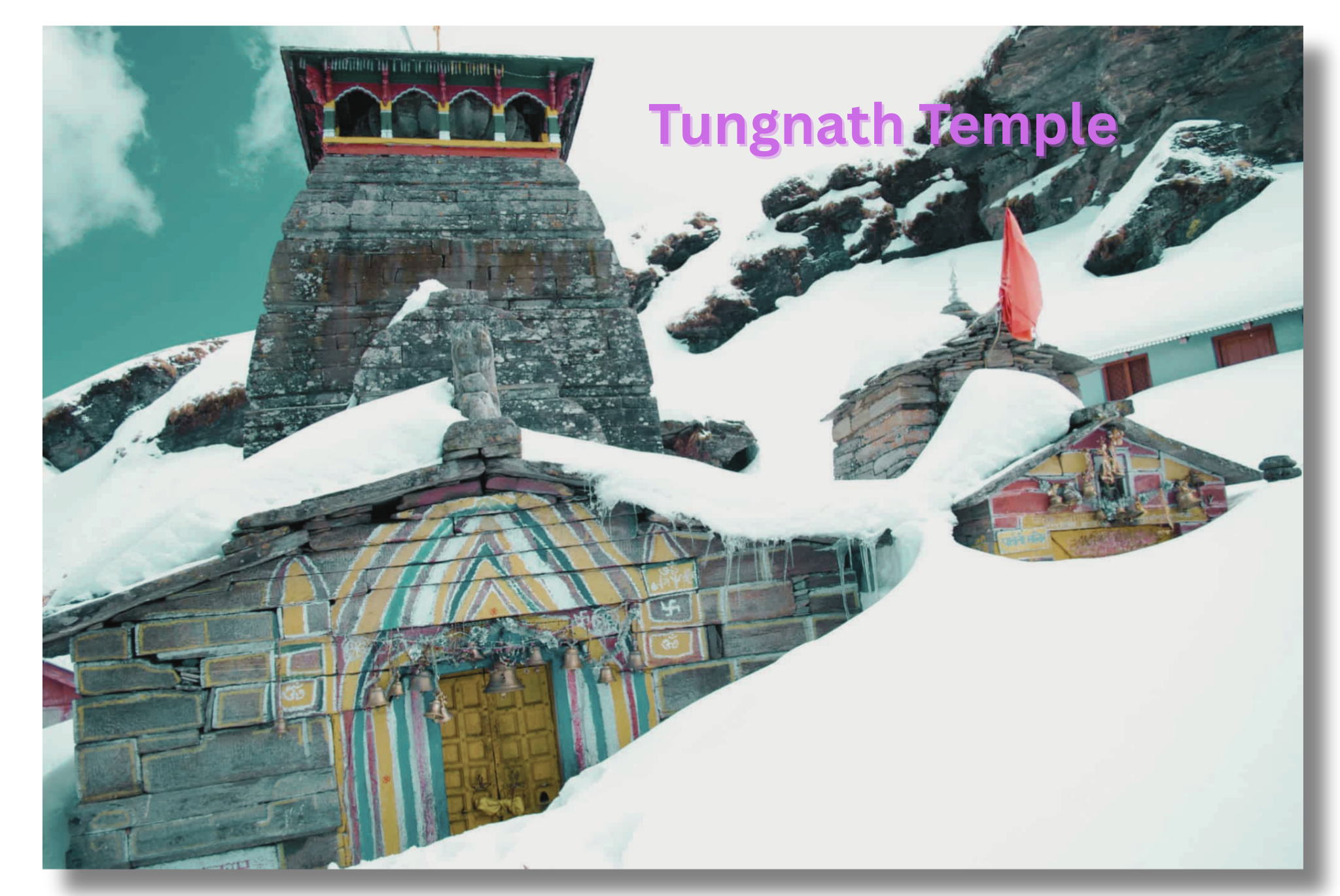
  • World’s Highest Shiva Temple: Yes! This temple is at a height of 3,680 meters. Standing at such a sacred spot, you literally feel as if you have touched heaven.
  • Easy-Moderate Trek: Even if you are a beginner, this trek is manageable. You just need a little stamina, you don’t have to be a mountaineer.
  • Chopta – Mini Switzerland of India: Base camp Chopta is a destination in itself. Green hills, dense jungle and amazing views.
  • Chandrashila Summit: A little ahead of Tungnath, on a 1-hour trek, you can reach Chandrashila peak from where you can see 360° Himalayan view – Nanda Devi, Chaukhamba, Trishul all together. The view of sunrise becomes a life-time memory.

How to Reach Chopta?

  • By Air: Nearest airport is Jolly Grant in Dehradun. Take a cab/bus from there, it is a 7-8 hour drive.
  • By Train: Chopta is connected to Haridwar/Rishikesh. Go by train, then take a cab or bus.
  • By Road: Buses/micro taxis are easily available from Delhi, Haridwar, Rishikesh. You can also drive a car, you just need the confidence to handle the mountain roads.

👉 Pro Tip: I always stay overnight in Rishikesh or Haridwar. This makes the journey easy and also gives an opportunity to explore the spiritual towns.

Trek Experience – Step by Step

  • Start Early Morning: It is best to leave at 7-8 am. The feel of the trek is different in the morning light. The trail starts from a forest of rhododendron and deodar.
  • Chopta to Tungnath Base: The path is paved, it seems easy. Small tea stalls are available, hot tea and biscuits have a different fun.
  • Seasonal Beauty: If you go in March-April, the red-pink flowers of rhododendron turn the entire path into a painting.
  • Fellow Trekkers: This is one of the best parts of the trek. Everyone is going for the same goal, exchanging a few smiles also makes the journey memorable.

Reaching Tungnath Temple

As soon as you come near the temple, the trees end and you get wide-open views.

It seems a little steep, but as soon as you reach the top, all the fatigue is forgotten.

The stone temple looks so peaceful against the backdrop of the Himalayas that you just get peace once you go inside.

The simple architecture, centuries-old vibes and the divine energy inside is absolutely heart-touching.

Optional Trek to Chandrashila Peak

If you have energy left, go 1km further up from Tungnath.

The path is a little steep, tough if there is snow, but the views are worth it.

360° Views

Chaukhamba, Nanda Devi, Trishul, all in front of you.

Literally it feels like you are standing on top of the world.

Sunrise at Chandrashila

If you stay overnight near Chopta/Tungnath, don’t miss watching the early sunrise in the morning.

When golden light falls on the Himalayas, the heart starts to chill “what a scene it is!”

Practical Tips

Best Time

  • May–June: Pleasant, green, a little crowded.
  • July–Aug: Avoid (landslides), but super green.
  • Sept–Oct: Clear skies, best views.
  • Nov–Apr: Snowy and tough trek.

Packing List

  • Layered clothes (weather is unpredictable)
  • Good trekking shoes
  • Raincoat/poncho
  • Sunscreen & cap
  • Water bottle + snacks (chocolates, dry fruits)
  • First-aid kit
  • Power bank, torch